
Aliaksei Kanash
Engineering Division Director
Room 8 Group
Room 8 Group
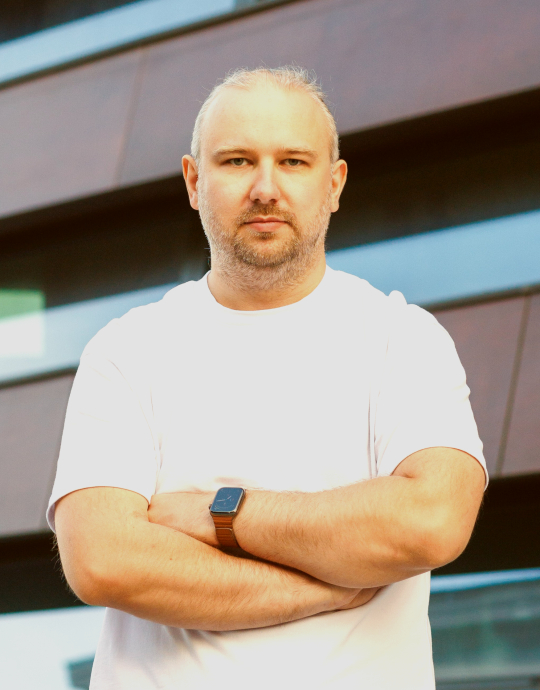
With nearly 20 years in software engineering—over a decade in game development—Aliaksei leads cross-functional teams building scalable pipelines and advancing Unreal Engine capabilities in production environments. He specializes in complex technical challenges across platforms, disciplines, and workflows, including evaluation and integration of LLM-driven tools in real production contexts, helping studios deliver reliable, high-quality results at scale.
Talks & sessions
LLMs in Unreal Engine 5 Production: From Claude Code Promises to Measurable Reality
LLMs are rapidly entering game development workflows — from code generation to debugging and internal tools. With solutions like Claude Code, expectations are high: faster iteration, reduced costs, and leaner teams. But how do these promises hold up in real production environments?
As a technology service provider working with multiple studios across different projects and production stages, we approach LLM adoption with one key requirement: predictability. Across Unreal Engine 5 codebases — from gameplay systems to tools and pipelines — we’ve explored where LLMs provide tangible value, and where they introduce risk, inconsistency, or hidden costs.
In this talk, we share a pragmatic, field-tested perspective on integrating LLMs into UE5 development:
- Where LLMs (including Claude Code) effectively support C++ and Blueprint workflows
- Common failure patterns when applied to real production code
- The impact on code quality, maintainability, and team workflows
- Why perceived speed gains can be misleading without proper evaluation
- Practical ways to measure productivity and efficiency in LLM-assisted development
Rather than focusing on future possibilities, this session is grounded in current production realities. It aims to help studios make informed decisions about adopting LLMs — based on evidence, not expectations.